SOC Analyst Certification
Certifications, Requirements, Cost & Career Guide
A SOC Analyst Certification helps you validate your knowledge of security monitoring, threat detection, log analysis, incident response, and SIEM tools. It can be useful for students, freshers, IT professionals, and career switchers who want to enter the cybersecurity field.
- A certification is only one part of becoming a SOC Analyst. To prepare for real SOC jobs, you also need networking knowledge, operating system skills, hands-on labs, SIEM practice, and practical projects.

Share
Table of Contents
Listen to This Guide: Generative AI Chatbots
Don’t have time to read? Listen to this quick audio summary to learn what Generative AI chatbots are, how they work, their benefits, real-world applications, and how they differ from traditional chatbots.
Quick Overview of SOC Analyst Certification
| Topic | Quick Answer | Who It Matters To | Key Point |
|---|---|---|---|
| What Is SOC Analyst Certification? | A credential that validates SOC and cybersecurity skills. | Students, freshers, IT professionals | Covers security monitoring, SIEM, log analysis, and incident response. |
| Who Can Get Certified? | Anyone with the required knowledge and preparation. | Freshers, graduates, career switchers | A specific degree is not always required. |
| Key Requirements | Basic networking, Linux/Windows, and cybersecurity knowledge. | Beginners | Strong fundamentals make certification preparation easier. |
| Best Certifications | Several certifications are available for different skill levels. | Beginners to experienced professionals | Choose based on your career goal, skills, and budget. |
| Skills Covered | Security monitoring, threat detection, SIEM, and incident response. | Aspiring SOC Analysts | Practical skills are important along with certification. |
| Certification Cost | Varies by certification and provider. | Anyone planning to certify | Check the latest exam and training fees before enrolling. |
| Difficulty Level | Beginner to advanced. | Certification candidates | Difficulty depends on your technical background and chosen certification. |
| Job Opportunities | SOC Analyst, Security Analyst, and related cybersecurity roles. | Freshers and professionals | Certification can strengthen your resume but does not guarantee a job. |
| Salary & Career Growth | Salary increases with experience and specialized skills. | Job seekers and working professionals | SIEM, cloud security, threat hunting, and incident response can support career growth. |
| How to Prepare | Learn fundamentals, practice labs, and build projects. | Certification candidates | Learn → Practice → Certify → Build Projects → Apply for Jobs |

What Is a SOC Analyst Certification?
Security A SOC Analyst Certification is a professional credential that demonstrates your knowledge of Operations Center activities.
A SOC Analyst normally monitors security alerts, reviews logs, investigates suspicious activity, identifies possible threats, and supports incident response. Unlike a general cybersecurity course, a SOC-focused certification is designed around security operations and defensive security skills.
Who Should Pursue a SOC Analyst Certification?
A SOC certification can be considered by:
- Students interested in cybersecurity
- Freshers looking for entry-level security roles
- IT professionals moving into cybersecurity
- Network administrators
- System administrators
- IT support professionals
- Career switchers
- Cybersecurity learners who want to validate their skills
You do not necessarily need years of cybersecurity experience to begin learning SOC skills. However, some advanced certifications are designed for experienced professionals.

Benefits of a SOC Analyst Certification
| Benefit | How It Helps |
|---|---|
| Skill Validation | Shows that you have studied specific cybersecurity topics. |
| Resume Value | Adds a recognized credential to your profile. |
| Exam Preparation | Helps you measure your knowledge. |
| Career Direction | Helps you understand SOC and defensive security roles. |
| Learning Confidence | Gives you a structured way to build cybersecurity knowledge. |
Why Is SOC Analyst Certification Important in 2026?
Cybersecurity teams need people who can monitor security events, investigate suspicious behavior, and respond to incidents. As organizations use more cloud services, endpoints, applications, and connected systems, security monitoring can become more complex.
A SOC Analyst Certification can help learners build knowledge around these activities.
Growing Cybersecurity Skills
Modern SOC environments can involve:
- Endpoint security
- Cloud security
- Network monitoring
- SIEM platforms
- Threat intelligence
- Incident response
- Security automation
- Detection engineering
Because of this, learners need more than basic cybersecurity theory.
Increasing Role of SIEM Tools
SIEM platforms collect and analyze security-related data from different sources.
Common platforms include:
- Splunk
- Microsoft Sentinel
- IBM QRadar
Learning how to search logs, understand alerts, and investigate events can be useful when preparing for SOC Analyst roles.
How Certification Can Help Your Resume
A certification can show that you have completed a structured learning or assessment process.
However, recruiters may also look at:
- Hands-on labs
- Projects
- Previous experience
- Technical skills
- Communication skills
- Problem-solving ability
For a fresher, combining certification with practical projects can provide stronger evidence of your skills.
What Are the Best SOC Analyst Certifications?
There is no single certification that is suitable for every learner. Your choice should depend on your current knowledge, career goal, preferred technology, certification requirements, and budget.
SOC Analyst Certification Comparison
| Certification | Level | Main Focus | Suitable For |
|---|---|---|---|
| CompTIA Security+ | Beginner | Cybersecurity Fundamentals | Students & Freshers |
| EC-Council Certified SOC Analyst | Beginner/Intermediate | SOC Operations | Aspiring SOC Analysts |
| Microsoft SC-200 | Intermediate | Microsoft Security Operations | Microsoft Security Learners |
| Splunk Core Certified User | Beginner | Splunk | SIEM Beginners |
| IBM QRadar-related Certifications | Varies | QRadar Security Operations | QRadar Learners |
| Blue Team Level 1 | Beginner/Intermediate | Defensive Security | Practical Learners |
| GIAC Incident Handler | Advanced | Incident Response | Experienced Professionals |
| Google Cybersecurity Certificate | Beginner | Cybersecurity Foundations | Career Starters |
Important: Certification names, exam structures, requirements, and pricing can change. Always check the current information from the certification provider before registering.
CompTIA Security+
CompTIA Security+ provides broad cybersecurity knowledge and can be useful for learners who are starting their security career.
Common areas include:
- Security concepts
- Threats and vulnerabilities
- Security architecture
- Security operations
- Identity and access management
- Risk management
- Incident response
It can provide a foundation before moving into more specialized SOC skills.
EC-Council Certified SOC Analyst
The EC-Council Certified SOC Analyst certification is specifically focused on SOC-related skills.
Depending on the current certification objectives, learners may study areas such as:
- Security monitoring
- Log analysis
- SIEM
- Threat detection
- Incident handling
- Security operations
It is relevant for learners specifically targeting SOC roles.
Microsoft Security Operations Analyst – SC-200

SC-200 focuses on Microsoft security technologies and security operations.
It can be particularly relevant if you want to work with Microsoft’s security ecosystem.
Topics include areas such as:
- Microsoft Sentinel
- Threat hunting
- Incident response
- Security investigations
- Microsoft security solutions
Splunk Certification
Splunk is widely used for searching and analyzing machine data and security events.
Learning Splunk can help SOC learners understand:
- Search queries
- Events
- Reports
- Dashboards
- Security data analysis
If a job description specifically asks for Splunk experience, learning the platform can be useful.
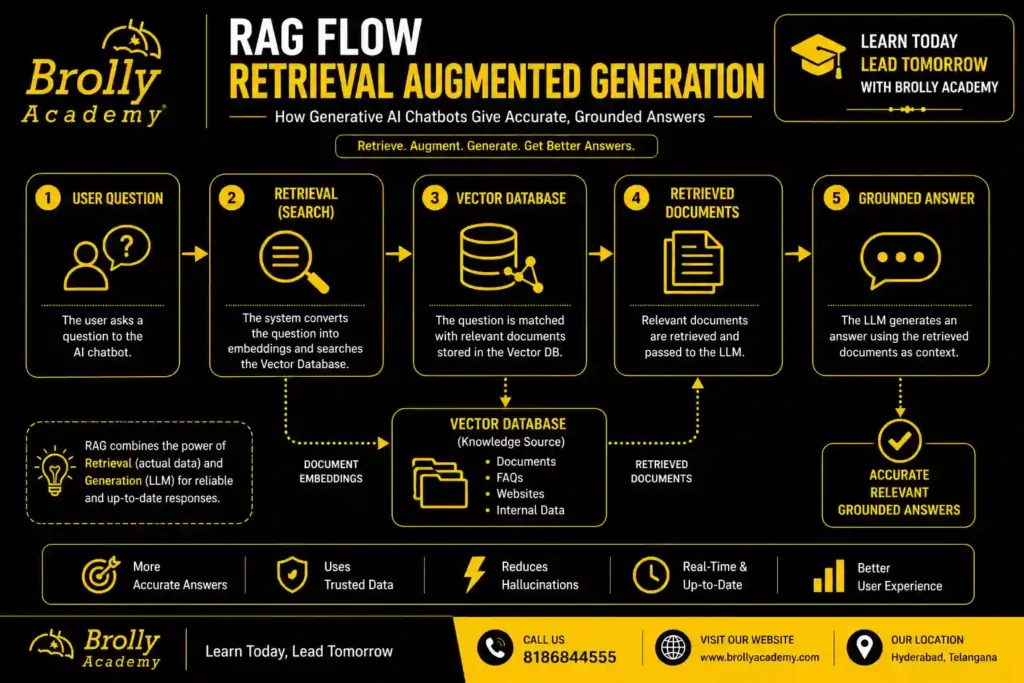
Here are the main building blocks in plain terms:
IBM QRadar Certifications
IBM QRadar is a SIEM platform used for security monitoring and investigation.
QRadar-related learning can help you understand:
- Security events
- Offenses
- Log data
- Event investigation
- Security monitoring
The exact certification available should be checked with the current IBM certification catalog.
Blue Team Level 1

Blue Team Level 1 focuses on defensive cybersecurity and practical security operations.
Its learning areas can include:
- Phishing analysis
- Digital forensics
- SIEM
- Threat intelligence
- Incident response
- Security investigations
It can be useful for learners who want more practical defensive-security exposure.
Real-World Use Cases by Industry

GIAC Incident Handler
GIAC certifications are generally aimed at professionals who already have cybersecurity knowledge or experience.
Incident-handler-focused certification is more suitable for learners who want to develop advanced incident response skills rather than someone just starting cybersecurity.
Google Cybersecurity Certificate
The Google Cybersecurity Certificate is designed as an entry-level learning program.
It introduces areas such as:
- Cybersecurity fundamentals
- Network security
- Security tools
- Linux
- Python basics
- Incident response
It can be a starting point for someone who has little or no cybersecurity experience.
Which SOC Analyst Certification Is Best for Freshers?
For a fresher, the right certification depends on your current knowledge.
If you are completely new to cybersecurity, start with foundational topics before jumping into advanced SOC certifications.
A practical learning sequence can look like this:
Networking → Linux & Windows → Cybersecurity Fundamentals → SIEM → SOC Labs → Certification → Projects → Job Applications
What Should Freshers Look For?
Before choosing a certification, check:
- Is it beginner-friendly?
- What are the prerequisites?
- What topics are covered?
- Does it include practical work?
- Is the certification recognized by employers?
- What is the current exam fee?
- How often is the exam updated?
- Does it match the jobs you want?
Certification Options for Different Starting Points
Your Starting Point | Possible Learning Direction |
Complete Beginner | Google Cybersecurity Certificate or basic cybersecurity training |
Basic IT Knowledge | CompTIA Security+ |
SOC-Focused Learner | EC-Council CSA |
Microsoft Environment | SC-200 |
SIEM Learner | Splunk or QRadar |
Defensive Security Learner | BTL1 |
Experienced Security Professional | Advanced incident response certifications |
Common Mistakes Freshers Make
Avoid these mistakes:
- Choosing a certification only because it is popular
- Ignoring networking
- Studying only theory
- Avoiding hands-on labs
- Learning SIEM commands without understanding logs
- Collecting certifications without building skills
- Applying for jobs without practical projects
One well-understood certification combined with practical skills can be more useful than collecting several credentials without understanding them.
SOC Analyst Certification Requirements
Certification requirements vary by provider. Some beginner certifications have few or no formal prerequisites, while advanced certifications may expect professional experience.
Educational Requirements
A cybersecurity degree is not always required for an entry-level certification.
Learners can come from:
- Computer Science
- Information Technology
- Engineering
- Other degree backgrounds
- Diploma programs
- Working IT backgrounds
The actual requirement depends on the certification.
Technical Knowledge
Before starting a SOC certification, it helps to understand:
- Computers
- Networks
- Operating systems
- Internet basics
- Security concepts
Networking Knowledge
SOC Analysts frequently investigate network-related events.
Learn:
- IP addresses
- TCP/IP
- DNS
- HTTP/HTTPS
- Ports
- Protocols
- Firewalls
- VPNs
Operating System Knowledge
Learn basic Windows and Linux concepts.
For Windows, understand:
- Event Viewer
- Security logs
- Users
- Processes
- Services
For Linux, learn:
- Basic commands
- Users and groups
- File permissions
- Processes
- System logs
Cybersecurity Fundamentals
Before moving into SOC investigations, understand:
- Malware
- Phishing
- Ransomware
- Authentication
- Access control
- Vulnerabilities
- Common attack methods
SOC Analyst Certification Requirements
| Requirement | Beginner Certification |
|---|---|
| Degree | Often Not Mandatory |
| IT Knowledge | Helpful |
| Networking | Strongly Recommended |
| Linux | Helpful |
| Windows | Helpful |
| Cybersecurity Basics | Recommended |
| SIEM Knowledge | Helpful |
| Work Experience | Depends on Certification |
SOC Analyst Certification Cost
The cost of a SOC Analyst Certification depends on the provider and the certification you choose.
You may need to pay separately for:
- Training
- Exam
- Practice tests
- Study material
- Lab access
- Retake attempts
Certification Cost Factors
| Cost Factor | Why It Matters |
|---|---|
| Training Fee | Instructor-led or self-paced learning |
| Exam Fee | Required for certification |
| Lab Fee | Provides practical exercises |
| Study Material | Books, guides, or online resources |
| Practice Tests | Helps prepare for the exam |
| Retake Fee | May apply if you need another attempt |
Free and Low-Cost Learning
You can start your learning journey without immediately purchasing an expensive certification.
Useful options include:
- Microsoft Learn
- Free cybersecurity labs
- Vendor documentation
- Free SIEM learning resources
- Cybersecurity communities
- Introductory online courses
The goal should be to understand the subject before spending money on an exam.
How Difficult Is the SOC Analyst Certification?
The difficulty depends on the certification and your previous knowledge.
A beginner certification may be manageable for a learner with basic IT knowledge, while advanced incident-response certifications can require deeper technical experience
Certification Difficulty
| Level | Typical Difficulty | Suitable Learner |
|---|---|---|
| Beginner | Easy to Moderate | Student/Fresher |
| Intermediate | Moderate | IT/Security Learner |
| Advanced | High | Experienced Professional |
Topics That Can Be Difficult
Beginners may find these topics challenging:
- Networking
- Log analysis
- SIEM queries
- Incident investigation
- Threat detection
- Security terminology
What Does a SOC Analyst Certification Cover?
The exact syllabus depends on the certification, but SOC-focused learning commonly includes security monitoring, SIEM, incident response, threat detection, and investigation.
SOC Analyst Certification Syllabus
| Module | What You Learn |
|---|---|
| Security Fundamentals | Core cybersecurity concepts |
| Networking | Protocols, ports, and network traffic analysis |
| Operating Systems | Windows and Linux fundamentals for security operations |
| Security Monitoring | Monitoring alerts, events, and suspicious activities |
| SIEM | Log collection, correlation, and analysis using SIEM tools |
| Incident Response | Detecting, investigating, and responding to security incidents |
| Threat Intelligence | Understanding threat information and indicators of compromise |
| Threat Hunting | Proactively searching for suspicious behavior and hidden threats |
| Security Operations | SOC processes, workflows, escalation, and documentation |
Security Monitoring
You learn how security teams monitor systems and review alerts.
Log Analysis
You learn to examine events and look for unusual activity.
SIEM
You learn how security teams collect and search security data.
Common platforms include:
- Splunk
- Microsoft Sentinel
- IBM QRadar
Incident Response
You learn how organizations handle security incidents from detection through investigation and response.
Threat Intelligence
You learn how information about threats can support security investigations.
Threat Hunting
Threat hunting focuses on proactively searching for suspicious activity instead of waiting only for automated alerts.
SOC Analyst Certification vs SOC Analyst Course
| Feature | SOC Analyst Course | SOC Analyst Certification |
|---|---|---|
| Main Purpose | Learning | Skill Validation |
| Training | Usually Included | Depends on Provider |
| Exam | Not Always | Usually Required |
| Practical Labs | Often Included | Depends on Program |
| Credential | Course Certificate | Professional Certification |
| Best Use | Build Skills | Demonstrate Skills |
When Should You Choose a Course?
Choose structured training if you are:
- New to cybersecurity
- Unsure where to start
- Looking for practical guidance
- Interested in instructor support
- Building your first SOC projects
When Should You Choose a Certification?
A certification may be useful when you:
- Already understand the basics
- Want to validate your knowledge
- Want to add a professional credential
- Are preparing for security job applications
Can You Do Both?
Yes.
A practical approach is:
Course → Labs → Projects → Certification → Job Applications
This gives you both learning and skill validation.
SOC Analyst Certification Roadmap for Freshers
A fresher should focus on building skills in the right order instead of trying to learn every cybersecurity topic at once.
Step 1: Learn Networking
Start with:
- TCP/IP
- DNS
- HTTP/HTTPS
- Ports
- Protocols
- Firewalls
Step 2: Learn Windows and Linux
Understand:
- System logs
- Users
- Processes
- Permissions
- Basic commands
Step 3: Learn Cybersecurity
Study:
- Malware
- Phishing
- Vulnerabilities
- Authentication
- Security controls
Step 4: Learn SIEM
Look for:
- SOC Analyst L1
- Junior SOC Analyst
- Security Analyst
- Cybersecurity Analyst
- Security Operations Analyst
Step 5: Practice SOC Labs
Work on:
- Alert investigation
- Log analysis
- Phishing analysis
- Incident response
Step 6: Earn a Relevant Certification
Select one based on your experience and target job.
Step 7: Build Projects
Document your investigations and create a portfolio.
Step 8: Apply for Jobs
Look for:
- SOC Analyst L1
- Junior SOC Analyst
- Security Analyst
- Cybersecurity Analyst
- Security Operations Analyst
Use Official Study Material
Start with:
- Official exam objectives
- Official documentation
- Vendor learning platforms
- Certification study guides
These should be your main reference because certification content can change.
Practice Daily
Spend some time each day on:
- Log analysis
- SIEM searches
- Security alerts
- Incident scenarios
Take Practice Tests
Practice tests help identify topics that need more study.
After every practice test:
- Review incorrect answers.
- Understand why the answer was wrong.
- Study the related topic.
- Try similar questions again.
Does SOC Analyst Certification Help Freshers Get Jobs?
A certification can strengthen a fresher’s profile, but it does not guarantee employment.
SOC hiring usually involves more than checking whether a candidate has a certificate
What Employers May Look For
Depending on the role, employers may assess:
- Networking knowledge
- SIEM skills
- Log analysis
- Incident response
- Security fundamentals
- Practical projects
- Communication
- Problem-solving
Certification and Practical Experience
| Area | Why It Matters |
|---|---|
| Certification | Shows structured learning or knowledge validation. |
| Labs | Demonstrate hands-on practice. |
| Projects | Show how you apply knowledge. |
| Technical Skills | Help with job responsibilities. |
| Communication | Important during investigations and reporting. |
How Freshers Can Build a Strong Resume
Include:
- Relevant certification
- SIEM skills
- Cybersecurity projects
- Practice labs
- Technical skills
- Internship experience, if available
Instead of simply writing “Learned Splunk,” explain what you actually did.
For example:
Created a SIEM lab to collect logs, investigate security events, and create basic detection rules.
That gives the recruiter a clearer idea of your practical exposure.
SOC Analyst Certification and Job Opportunities
A SOC certification can support a career path that starts with security monitoring and later moves into specialized cybersecurity roles.
Entry-Level Jobs
| Job Role | Common Focus |
|---|---|
| SOC Analyst L1 | Alert monitoring and initial investigation. |
| Junior SOC Analyst | Security events and basic investigations. |
| Security Analyst | Monitoring and security analysis. |
| Cybersecurity Analyst | Broader security activities. |
| Security Operations Analyst | Security monitoring and response. |
Final Takeaway: Is a SOC Analyst Certification Worth It?
A SOC Analyst Certification can be a useful part of a cybersecurity career plan, especially for learners who want to demonstrate knowledge in security operations.
For a fresher, the best approach is not to depend on certification alone.
Build your skills in this order:
- Learn networking.
- Understand Windows and Linux.
- Learn cybersecurity fundamentals.
- Practice SIEM tools.
- Complete SOC labs.
- Build practical projects.
- Choose a relevant certification.
- Prepare your resume and interview skills.
- Apply for entry-level SOC roles.
If you are completely new to cybersecurity, start with fundamentals before choosing an advanced certification. If you already have IT or security experience, you can select a certification that matches your existing skills and target role.
The goal should be simple: learn the concept, practice the skill, prove the skill, and then use it in a real job environment.
SOC Analyst Certification FAQs
1. What is a SOC Analyst Certification?
A SOC Analyst Certification is a credential that validates knowledge related to security monitoring, threat detection, log analysis, SIEM, and incident response. The exact skills covered depend on the certification provider.
2. Is SOC Analyst Certification worth it in 2026?
It can be useful for learners who want to demonstrate structured cybersecurity knowledge. However, certification should be combined with hands-on labs, projects, and technical skills.
3. Which SOC Analyst Certification is best for freshers?
The suitable certification depends on your starting knowledge. Beginners can start with foundational cybersecurity certifications or programs, while learners with basic knowledge can consider SOC-focused certifications such as EC-Council CSA.
4. Can freshers get SOC Analyst jobs after certification?
Yes, freshers can apply for entry-level SOC roles after building the required skills. Certification alone does not guarantee a job, so practical labs, projects, networking knowledge, and SIEM skills are also important.
5. How long does a SOC Analyst Certification take?
The time depends on the certification and your previous knowledge. A beginner may need several weeks or months to prepare, while someone with cybersecurity experience may need less preparation time.
6. What are the requirements for SOC Analyst Certification?
Requirements vary. Some beginner certifications do not require previous work experience, while advanced certifications may have experience or training requirements. Always check the current requirements from the certification provider.
7. Is networking knowledge important for SOC Analysts?
Requirements vary. Some beginner certifications do not require previous work experience, while advanced certifications may have experience or training requirements. Always check the current requirements from the certification provider.
8. What skills are covered in SOC Analyst Certification?
Common skills include security monitoring, SIEM, log analysis, threat detection, incident response, network security, threat intelligence, and security investigations.
9. Is coding required for SOC Analyst Certification?
Advanced programming is not usually required for entry-level SOC work. However, basic scripting can become useful for automation, log processing, and security investigations as your career develops.
10. What is the average cost of a SOC Analyst Certification?
There is no single average cost because different certifications have different exam fees, training packages, and study resources. Check the provider’s current pricing before registering.
11. Which SIEM tools are taught in SOC certifications?
Common SIEM platforms include Splunk, Microsoft Sentinel, and IBM QRadar. The tool covered depends on the certification or training program.
12. Is CompTIA Security+ suitable for beginners?
Security+ is designed as a foundational cybersecurity certification and can be considered by learners who want broad security knowledge before moving into specialized roles.
13. What is EC-Council Certified SOC Analyst?
EC-Council Certified SOC Analyst, or CSA, is a certification focused on Security Operations Center activities. Its content covers areas related to security monitoring, detection, investigation, and SOC operations.
14. Is Microsoft SC-200 useful for SOC Analysts?
SC-200 focuses on Microsoft security operations and technologies. It can be particularly relevant for professionals working with Microsoft’s security ecosystem.
15. How difficult is a SOC Analyst Certification exam?
Difficulty depends on the certification and your background. Beginner exams may be manageable with basic IT knowledge and regular study, while advanced certifications require deeper technical knowledge.
16. Can non-IT students become SOC Analysts?
Yes. Non-IT students can learn cybersecurity, but they should first build basic computer, networking, operating system, and security knowledge.
17. What is the difference between a SOC Analyst course and certification?
A course mainly teaches you the skills. A certification generally validates your knowledge through an assessment or exam. Many learners use both as part of their career preparation.
18. Does certification guarantee a cybersecurity job?
No. A certification does not guarantee employment. Employers may also evaluate practical skills, projects, experience, communication, and technical knowledge.
19. How can I prepare for a SOC Analyst Certification?
Start with the certification objectives, create a study plan, learn the required concepts, practice hands-on labs, review weak areas, and take practice tests before the exam.
20. Which practice labs are best for SOC Analysts?
Platforms such as TryHackMe, Blue Team Labs Online, CyberDefenders, Hack The Box, and RangeForce provide different types of cybersecurity practice. Choose based on your current skill level and learning goals.
21. What projects should freshers build for cybersecurity jobs?
Freshers can build projects such as SIEM dashboards, Windows log investigations, phishing analysis, incident investigation reports, and basic threat detection labs.
22. What are the job opportunities after SOC Analyst Certification?
Possible roles include SOC Analyst L1, Junior SOC Analyst, Security Analyst, Cybersecurity Analyst, and Security Operations Analyst. With experience, professionals can move toward threat hunting, incident response, detection engineering, or security engineering.
23. What is the salary of a certified SOC Analyst?
Salary varies by experience, location, employer, skills, and role. Certification alone does not determine salary. For India, entry-level SOC roles may have different salary ranges depending on the company and candidate profile.
24. What is the career path after becoming a SOC Analyst?
A common path is SOC Analyst L1 → SOC Analyst L2 → SOC Analyst L3, followed by specialization in areas such as threat hunting, incident response, detection engineering, or security engineering. Some professionals later move into leadership roles.
Conclusion
A SOC Analyst Certification can be a useful addition to your cybersecurity career journey, especially if you want to develop knowledge in security monitoring, threat detection, log analysis, incident response, and SIEM technologies. However, certification should be viewed as a learning and validation tool rather than a guaranteed path to employment.
For freshers and career starters, the best approach is to build strong fundamentals in networking, Windows, Linux, cybersecurity concepts, and SIEM tools before focusing on advanced certifications. Combining certification with hands-on labs, practical projects, and real-world security investigations can help you develop the skills that employers often look for during the hiring process.
As cybersecurity continues to evolve, SOC Analysts remain important for detecting threats and protecting organizational systems. Whether your goal is to become a SOC Analyst, Security Analyst, Threat Hunter, or Security Engineer, choosing the right certification and continuously improving your practical skills can help you build a strong foundation for long-term career growth in cybersecurity.