
Exploring cultural perceptions of gambling across different societies
Understanding Gambling in Western Cultures
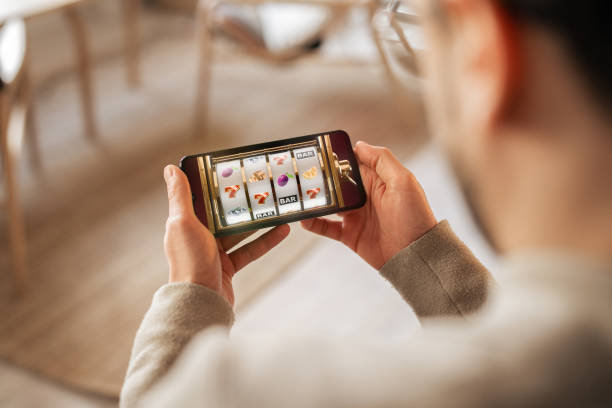
In Western societies, gambling is often seen as a form of entertainment and leisure activity. The presence of casinos and betting establishments reflects a cultural acceptance of gambling as a normal recreational pursuit. Many view it as a chance to win money while enjoying a night out with friends, and among the best gambling sites, players can find various options that cater to these interests. This perception is reinforced by media portrayals that often glamorize gambling, highlighting the excitement and potential rewards associated with it.

However, there is also a growing recognition of the risks associated with gambling in these cultures. Awareness campaigns aim to educate individuals about responsible gambling practices, addressing issues such as addiction and financial strain. This duality in perception—celebration and caution—indicates a complex relationship with gambling that varies widely among individuals and communities.
Gambling in Eastern Societies
In many Eastern cultures, gambling carries a different connotation, often intertwined with traditional beliefs and practices. Countries like China view games of chance as not just entertainment but also as a way to connect with cultural heritage. Events such as the Lunar New Year often involve gambling, symbolizing luck and prosperity for the coming year. This perspective imbues gambling with a sense of spirituality and communal bonding.
Yet, similar to Western societies, there are concerns regarding gambling addiction and its social implications. Governments in various Eastern nations have implemented regulations to mitigate negative impacts while still allowing cultural practices to thrive. This balance reflects the ongoing negotiation between preserving tradition and addressing modern societal challenges.
Indigenous Perspectives on Gambling
Indigenous communities often have unique perspectives on gambling, viewing it through the lens of tradition and social structure. For some, gambling activities are deeply rooted in cultural rituals and serve as a means of community cohesion. Games are not merely about winning or losing; they often encapsulate shared histories and values, reinforcing social bonds among participants.
Nonetheless, the introduction of commercial gambling in indigenous territories raises complex issues. While it can provide economic opportunities, it may also pose threats to traditional practices and community well-being. The challenge lies in navigating these dynamics to ensure that gambling remains a positive force within indigenous cultures.
Religious Influences on Gambling
The impact of religion on gambling perceptions varies significantly across different societies. In some cultures, religious doctrines explicitly condemn gambling as a sinful activity, viewing it as morally reprehensible. For example, certain branches of Christianity and Islam have strict prohibitions against gambling, associating it with greed and vice.
Conversely, other religious traditions may adopt a more lenient view, permitting certain forms of gambling under specific conditions. This divergence illustrates how cultural beliefs and religious teachings intertwine to shape societal attitudes towards gambling, often leading to significant regional variations in its acceptance and practice.
Join Our Community for Insights
Our website is dedicated to exploring the multifaceted world of gambling and its cultural perceptions across different societies. We provide a platform for enthusiasts and professionals to engage with the latest industry developments, trends, and discussions. By fostering a community centered on informed dialogue, we aim to enhance understanding and awareness of gambling’s role in society.
Whether you are looking to stay updated on industry news or share your insights, our community welcomes you. Together, we can navigate the complexities of gambling culture, promoting a responsible and informed approach that considers diverse perspectives.